10 Reasons Not to Delay Your New Roof Installation
Your home is your largest financial asset, and its first line of defense against the elements is sitting right above your head. While it is easy to push home maintenance tasks to the bottom of your to-do list, putting off a necessary upgrade can trigger catastrophic damage throughout your property. Acting before the damage escalates protects your family, preserves your home equity, and saves you thousands of dollars in emergency repairs.
1. Deteriorating Underlayment Sparks Internal Water Damage
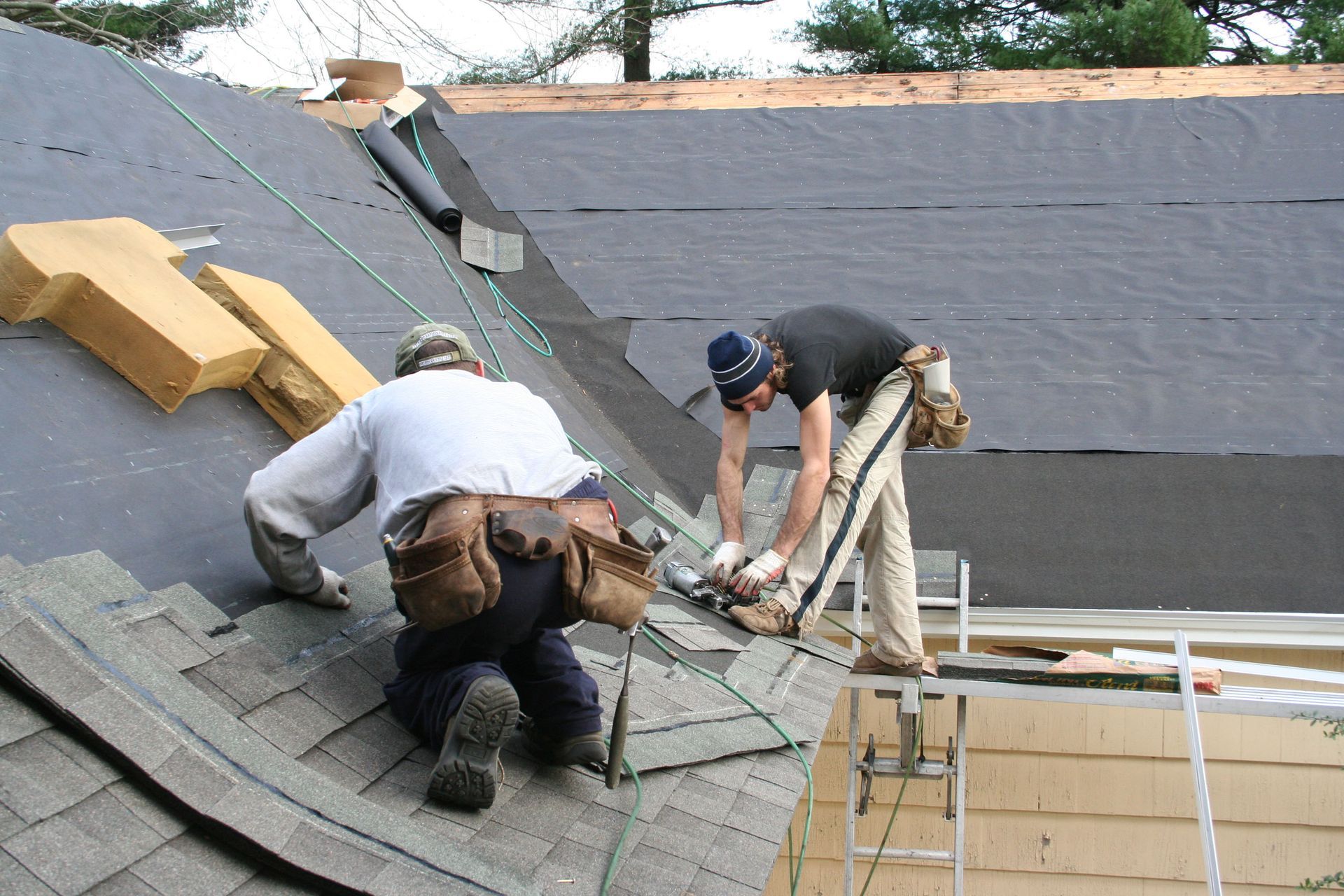
A roof is an intricate system, not just an outer layer of shingles. When your shingles crack, curl, or blow away, the underlying waterproof barrier becomes directly exposed to the elements. This underlayment degrades rapidly under intense ultraviolet rays and heavy downpours, allowing moisture to breach the wood decking beneath.
Once water gets past this barrier, it travels along rafters and insulation, pooling above your ceilings. A tiny trickle can quickly turn into a major leak that ruins drywall, short-circuits electrical wiring, and destroys your belongings. Investing in a new roof before this degradation takes hold keeps the structural framing dry and secure.
2. Undetected Moisture Traps Foster Toxic Mold Growth
Water intrusion does not just damage your walls; it creates a breeding ground for health hazards. When moisture gets trapped in dark, warm spaces like your attic or wall cavities, it takes little time for mold spores to colonize. This mold spreads invisibly behind the scenes, eating away at your insulation and releasing harmful airborne particles into your living spaces.
Remediating a severe mold infestation can easily cost a small fortune on top of standard structural repairs, and it poses serious respiratory risks to your family. Replacing your covering at the first sign of failure cuts off the moisture supply that these organisms need to survive.
3. Compromised Structural Integrity Threats Home Safety
Water is incredibly heavy, and wood that stays wet for too long will inevitably rot. When your roof deck, rafters, and support beams absorb moisture over months or years, they lose their structural load-bearing capacity. This slow decay causes the roofline to sag, signaling that the entire system is structurally compromised.
In extreme weather conditions, a weakened framework can fail completely under the weight of heavy snow, ice dams, or high winds. Addressing these vulnerabilities early ensures that your home remains structurally sound and capable of withstanding severe weather events.
4. Rising Material Costs Penalize Procrastination
The construction industry is subject to constant economic pressures, causing the price of building materials to climb steadily over time. Asphalt, metal, underlayment, and labor rates rarely decrease; instead, they rise annually due to inflation and supply chain shifts. Waiting to schedule your installation means you will likely pay significantly more for the exact same materials and service.
Furthermore, a house that needs immediate intervention often requires extensive decking replacement and structural carpentry work. Securing your new roof today locks in current pricing and prevents the accumulation of extra material fees down the line.
5. Hidden Energy Drain Drives Monthly Utilities High
An old, failing top layer often goes hand-in-hand with compromised attic ventilation and deteriorated insulation. When shingles degrade and warp, they lose their solar reflectivity, absorbing massive amounts of heat and transferring it directly into your attic. This heat buildup forces your air conditioning system to work harder to keep your living spaces cool.
Modern roofing systems utilize advanced cooling technologies and balanced ventilation setups that allow your home to breathe efficiently. Upgrading your home with a new roof immediately lowers your monthly energy footprint and extends the lifespan of your HVAC system.
6. Dropping Property Values Hurt Future Sales Potential
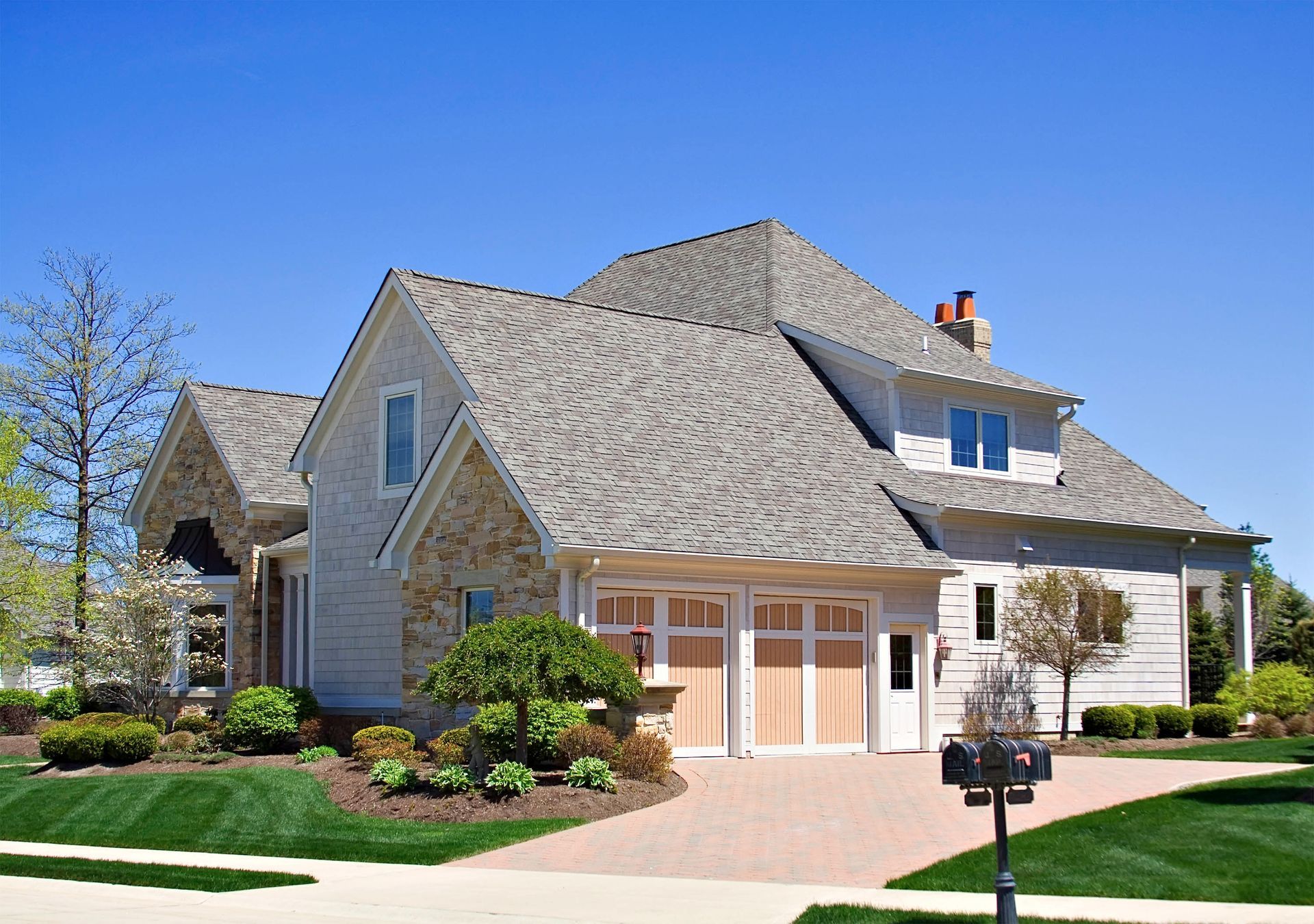
If you plan to sell your home within the next few years, an aging or damaged roof is a massive liability. Prospective buyers and home inspectors can spot a failing top layer from the curb, which instantly kills their interest or prompts lowball offers. Many mortgage lenders will refuse to approve a loan for a buyer if the home requires an immediate, massive structural upgrade.
According to research from Today's Homeowner, 40% of homeowners report that they will require a roof replacement within the coming five years. Proactively installing a new roof before listing your property attracts serious buyers, justifies a higher asking price, and ensures a smooth, fast closing process.
7. Denied Insurance Claims Stymie Financial Recovery
Many homeowners assume that their insurance policy will cover the cost of a replacement whenever they get around to it. However, insurance adjusters differentiate strictly between sudden storm damage and long-term neglect. If an inspection reveals that a leak caused massive damage simply because you ignored an aging system, your insurance carrier may deny the claim entirely.
Property owners have a legal obligation to mitigate damage and maintain their homes in good repair. Upgrading to a new roof protects your financial liability and ensures that you remain fully covered if an unpredictable natural disaster hits your area.
8. Escalating Pest Infestations Worsen Structural Decay
As your roof line weakens, small gaps, cracks, and soft spots open up along the fascia boards and soffits. These openings act as an open invitation for pests like squirrels, raccoons, mice, and bats looking for a warm place to nest. Once these animals gain access to your attic, they chew through electrical wiring, destroy insulation with waste, and bring parasites into your living space.
Additionally, damp, rotting wood attracts destructive insects like termites and carpenter ants, which can quickly compromise the rest of your home's framing. Sealing the perimeter with a new roof locks out wildlife and prevents expensive pest remediation bills.
9. Looming Ice Dams Aggravate Winter Leaks
For homeowners living in colder climates, an old roof is highly susceptible to ice damming during the winter months. Poor ventilation allows warm air to escape into the attic, melting the snow on the higher parts of your roof. This water runs down to the colder eaves, where it refreezes into a thick block of ice that traps subsequent runoff.
The standing water backs up under your shingles, finding its way directly into your home's interior walls. A modern, professionally engineered roof includes specialized ice and water shield membranes along the eaves to stop this winter destruction before it can start.
10. Constant Patchwork Repairs Drain Bank Accounts
Trying to extend the life of an ancient roof with continuous patching is a classic example of throwing good money after bad. Caulking flashings, replacing individual shingles, and fixing localized leaks are temporary fixes that do not stop the widespread degradation of the system. Over time, the total cost of these emergency repairs can easily approach the down payment of a complete replacement.
Instead of paying multiple trip charges to a contractor for short-term fixes, investing that capital into a permanent solution is the smarter financial move. A total replacement gives you long-term financial predictability and completely eliminates the stress of chasing down new leaks after every storm.
Putting off a major home improvement project like this only guarantees higher expenses, unnecessary stress, and structural risks down the line. By taking action today, you secure your property's value, slash your energy consumption, and eliminate the anxiety of the next big rainstorm. Do not wait for a catastrophic failure to force your hand. Protect your home and your wallet by planning your replacement on your own terms. For more on why you should invest in a
new roof sooner rather than later, please reach out to United Roofing & Home Solutions today.