8 Factors to Consider Before Installing a New Roof
Roof replacement represents one of the largest home improvement investments property owners make, affecting protection, energy efficiency, appearance, and value for decades after completion. Many homeowners rush into roofing decisions without adequately considering critical factors that affect long-term satisfaction, performance, and whether they receive appropriate value for the thousands of dollars spent on installations. Understanding essential considerations before committing to new roofs helps you avoid costly mistakes, ensures proper material selection, and sets realistic expectations about processes, timelines, and results. The difference between roofs that perform flawlessly for decades and those that disappoint through premature failures, inadequate protection, or buyer's remorse often comes down to whether owners made informed decisions during planning phases. Learning what factors deserve careful evaluation empowers you to work effectively with contractors, ask relevant questions, and make choices creating roofs that deliver satisfaction throughout their service lives rather than just appearing adequate during installations without considering the long-term implications of decisions made during critical planning periods.
1. Assessing Whether Replacement Is Actually Necessary
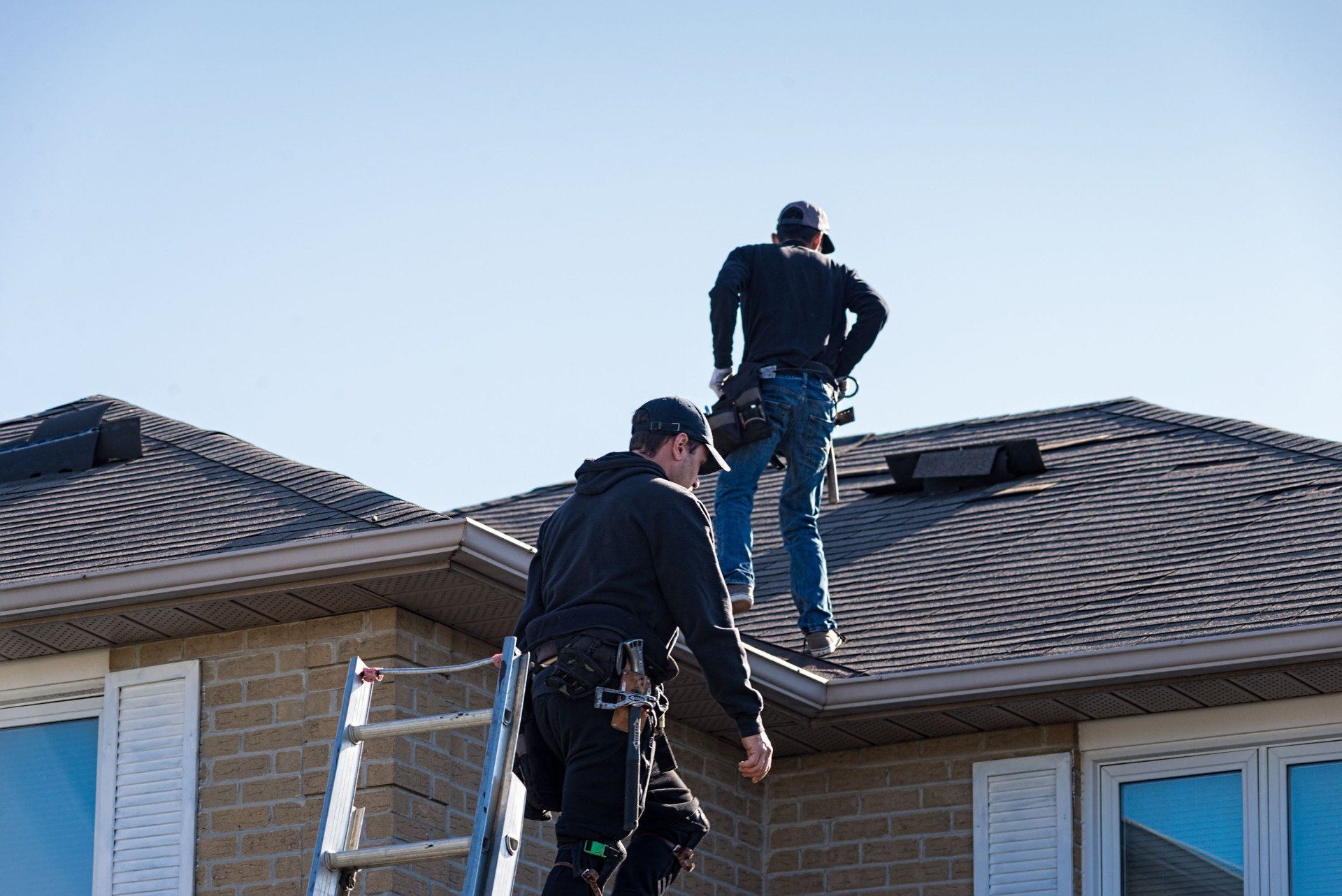
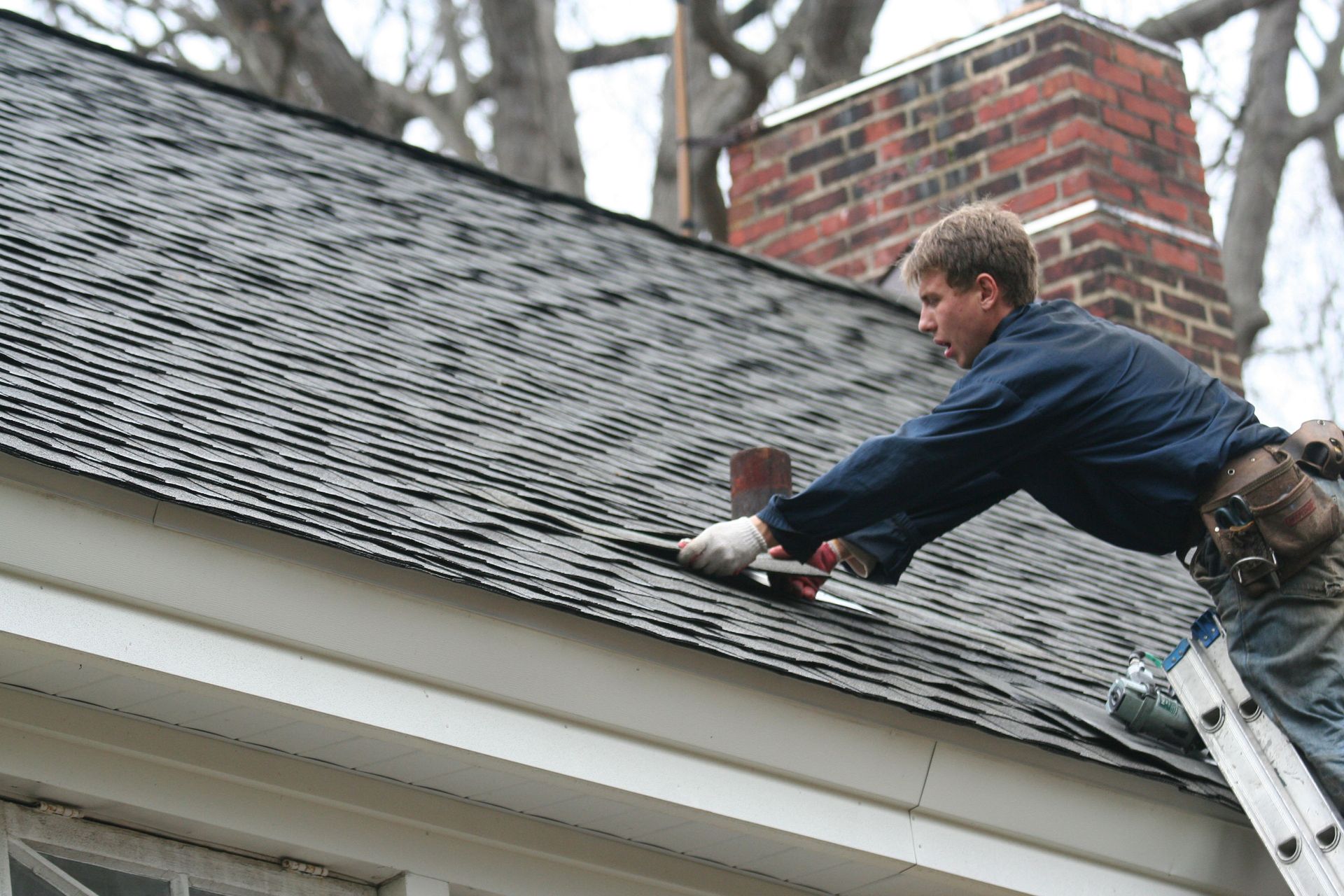
According to This Old House, if more than 30% of your roof is significantly damaged, it's time to consider replacing it. Some contractors recommend replacement when repairs would suffice, while others suggest patching roofs that truly need complete replacement, making an independent assessment essential before accepting recommendations. Age alone doesn't determine replacement necessity, as well-maintained roofs often exceed expected lifespans while neglected installations fail prematurely despite being relatively new. Professional roofing installation companies should provide thorough inspections documenting specific problems rather than just citing age as a replacement justification without demonstrating actual damage or deterioration. Getting multiple opinions helps ensure you receive honest assessments rather than sales pitches from contractors motivated by installation revenues instead of your actual needs and best interests regarding roof condition.
2. Selecting Appropriate Roofing Materials
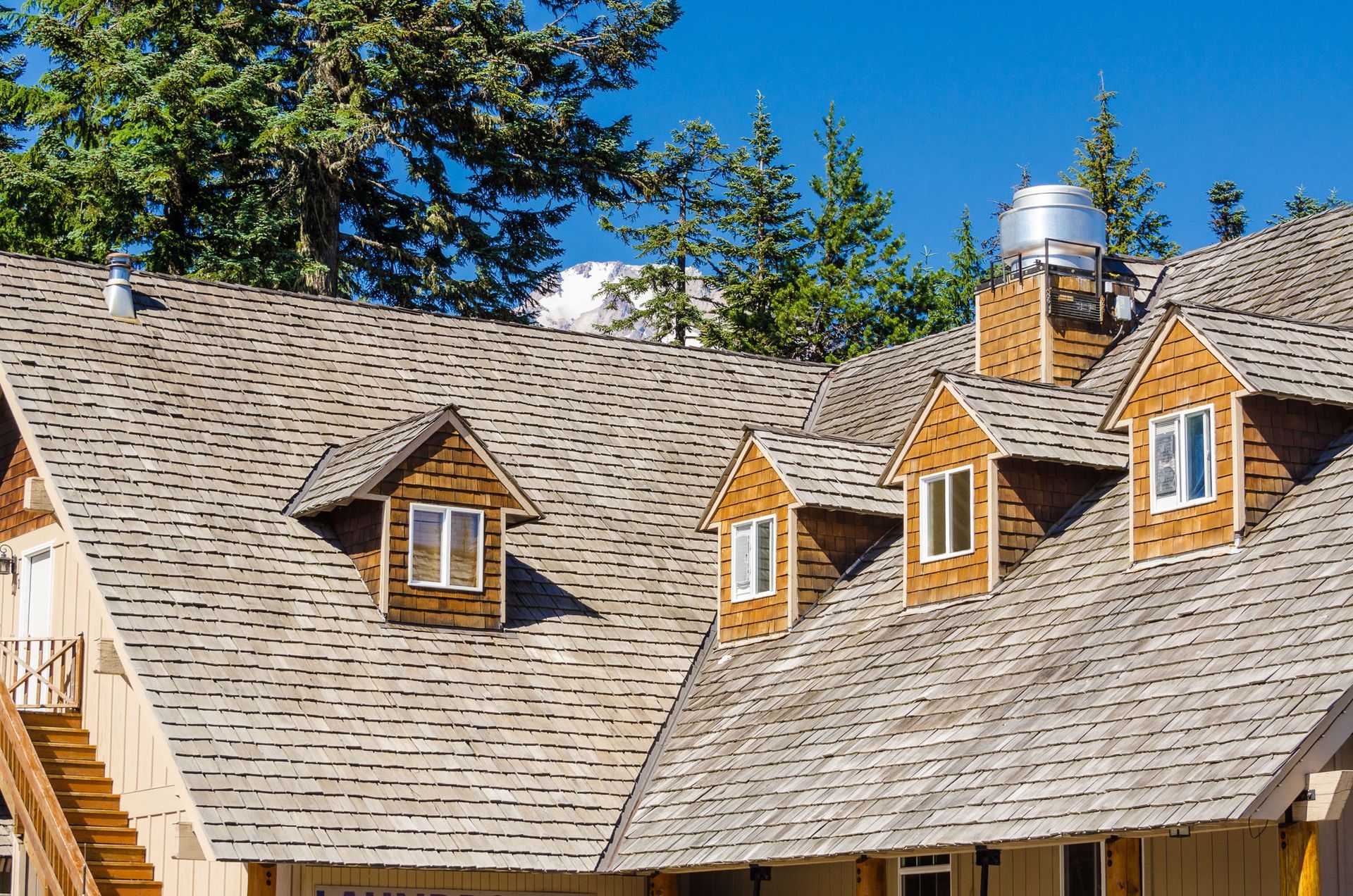
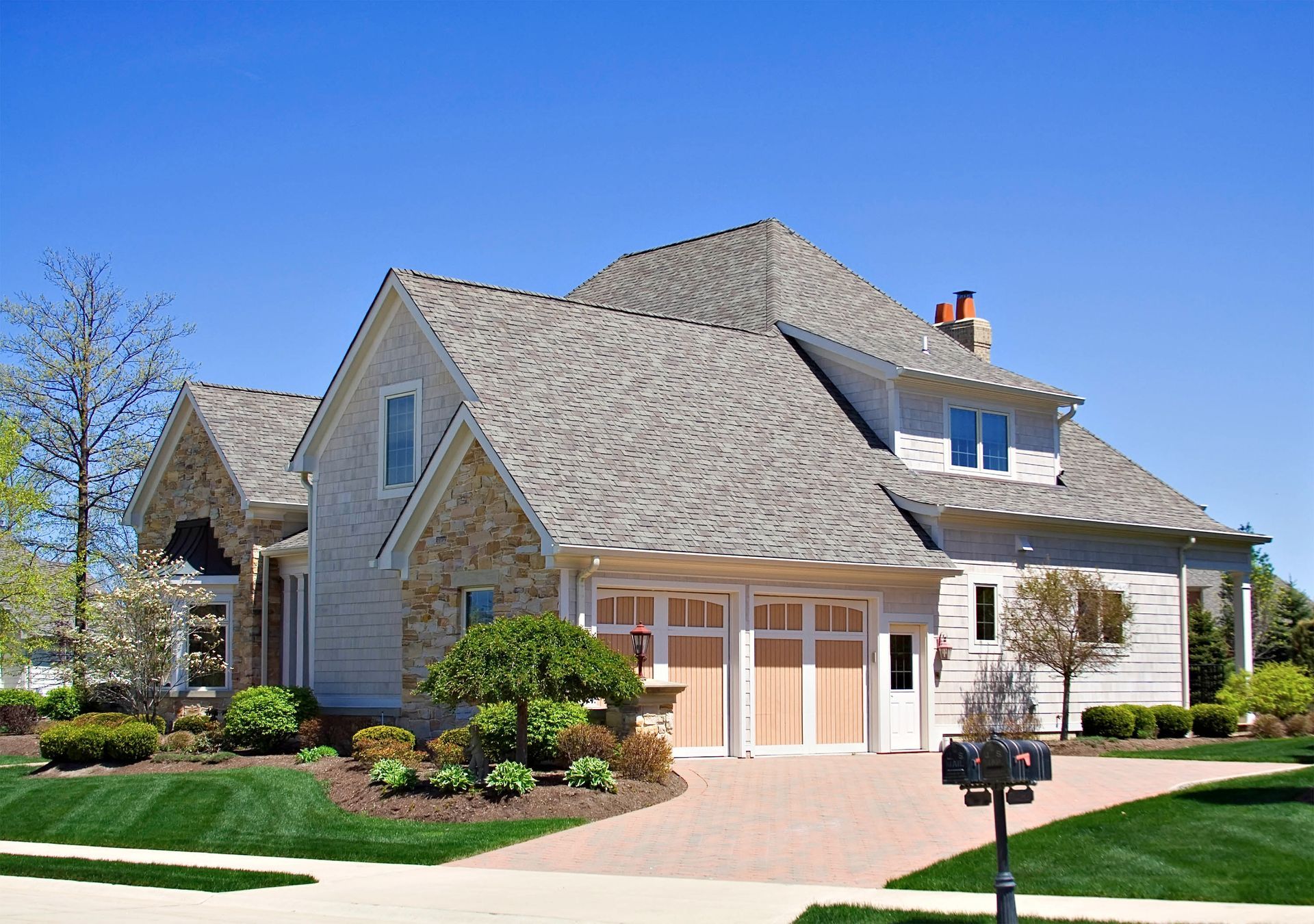
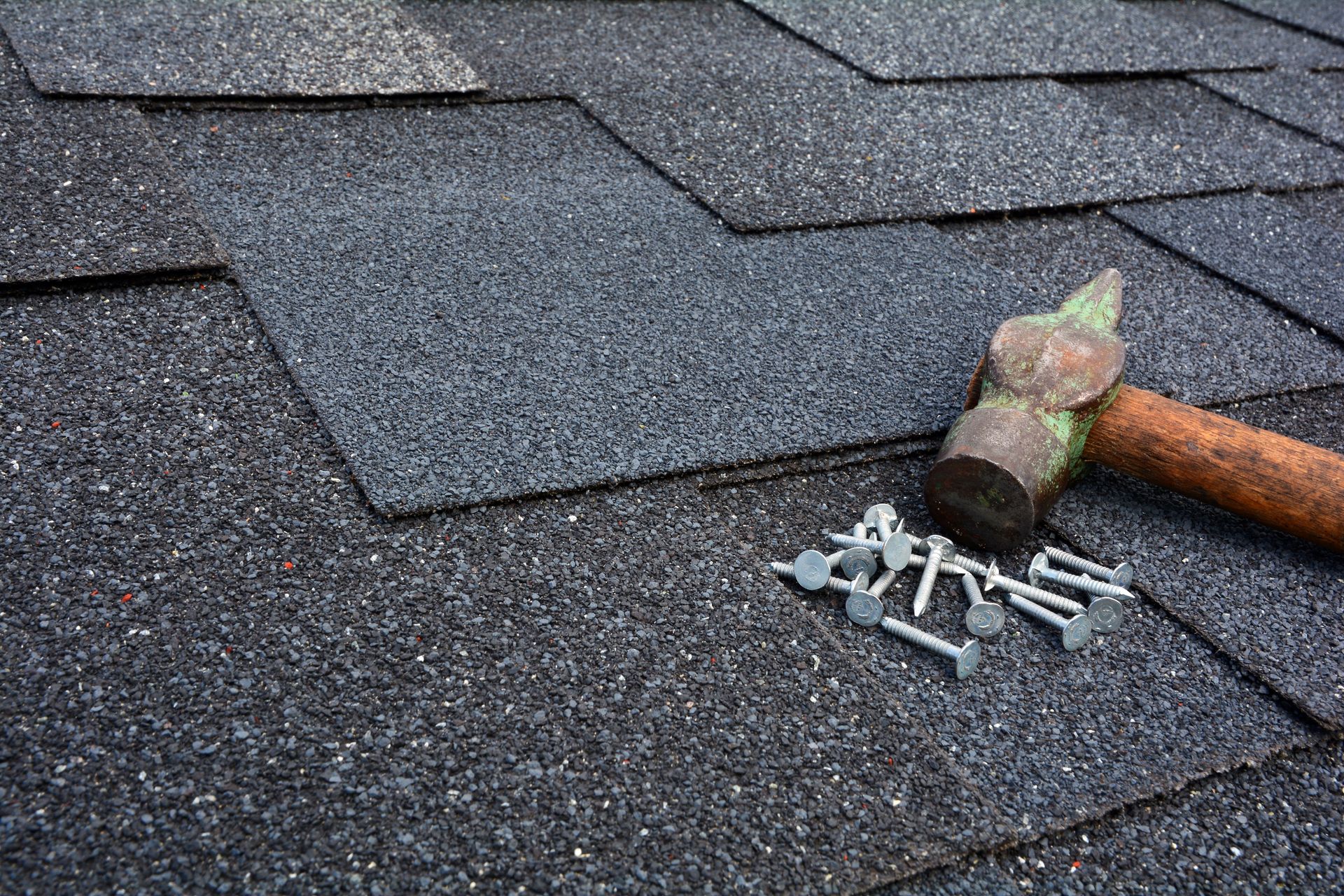
Material choices affect appearance, longevity, maintenance, cost, and suitability for your climate, architecture, and local building codes that restrict options in some areas. Asphalt shingles provide affordability and variety, metal offers longevity and energy efficiency, tile delivers a distinctive appearance and extreme durability, while specialty materials serve specific needs or aesthetic preferences. Climate considerations prove essential, as materials performing well in one region may prove inappropriate elsewhere due to temperature extremes, precipitation patterns, or environmental conditions affecting material performance. Experienced roofing installation professionals understand regional material performance and can recommend options suited to your specific climate, architecture, budget, and preferences rather than just promoting whatever products generate the highest profits regardless of appropriateness for your situation.
3. Budgeting Realistically for Total Project Costs
Roof replacement costs extend beyond just materials and labor to include tear-off disposal, potential structural repairs, ventilation improvements, and unexpected discoveries that only become apparent once old roofs are removed. Low bids often indicate cut corners, inferior materials, or contractors who will demand change orders for work that comprehensive quotes include upfront without surprises during projects. Financing options may be available, and understanding total costs, including all necessary work, helps you budget appropriately rather than facing financial stress when projects exceed inadequate budgets. Quality roofing installation justifies its cost through proper workmanship, appropriate materials, and comprehensive service addressing all aspects of roof replacement rather than just the cheapest possible covering that may fail prematurely or require additional expenses to complete work that thorough contractors include initially.
4. Verifying Contractor Credentials and Reputation
Licensing, insurance, manufacturer certifications, and local reputation distinguish professional contractors from fly-by-night operators who disappear after deposits are collected or when warranty issues arise. References from recent customers, online reviews, and Better Business Bureau records reveal contractor reliability and whether they honor commitments regarding quality, timelines, and warranty service. Manufacturer certifications indicate training and quality standards that certified contractors must maintain, often providing enhanced warranties unavailable through non-certified installers. Choosing contractors based on credentials and reputation rather than just the lowest bids ensures professional roofing installation that delivers quality work backed by legitimate warranties and companies that will remain available for service rather than vanishing after collecting final payments.
5. Understanding Warranty Coverage and Limitations
Material warranties from manufacturers differ substantially from workmanship warranties that contractors provide, and understanding both types helps set realistic expectations about what coverage actually protects. Warranty duration matters less than exclusions, transferability, and whether companies actually honor claims or find reasons to deny coverage when problems develop. Some warranties require specific maintenance, professional inspections, or other conditions that void coverage if not fulfilled despite owners believing they remain protected. Professional roofing installation companies should clearly explain warranty terms, what they cover and exclude, and any requirements for maintaining coverage, rather than providing vague assurances about protection without detailing actual terms that determine whether warranties provide meaningful value.
6. Timing Projects Appropriately
Weather conditions, contractor availability, material lead times, and seasonal pricing affect optimal installation timing, and planning allows flexibility that emergencies eliminate. Spring and fall typically offer ideal weather, though demand during these periods may increase costs and limit contractor availability compared to slower winter or summer periods. Delaying necessary replacement risks additional damage from leaks, while rushing into projects without adequate planning creates problems through poor contractor selection or hasty material choices. Strategic roofing installation scheduling balances weather considerations, contractor availability, pricing, and actual roof condition to optimize results without unnecessary urgency that compromises decision quality or excessive delays that allow deteriorating roofs to cause additional damage.
7. Preparing for Installation Disruption
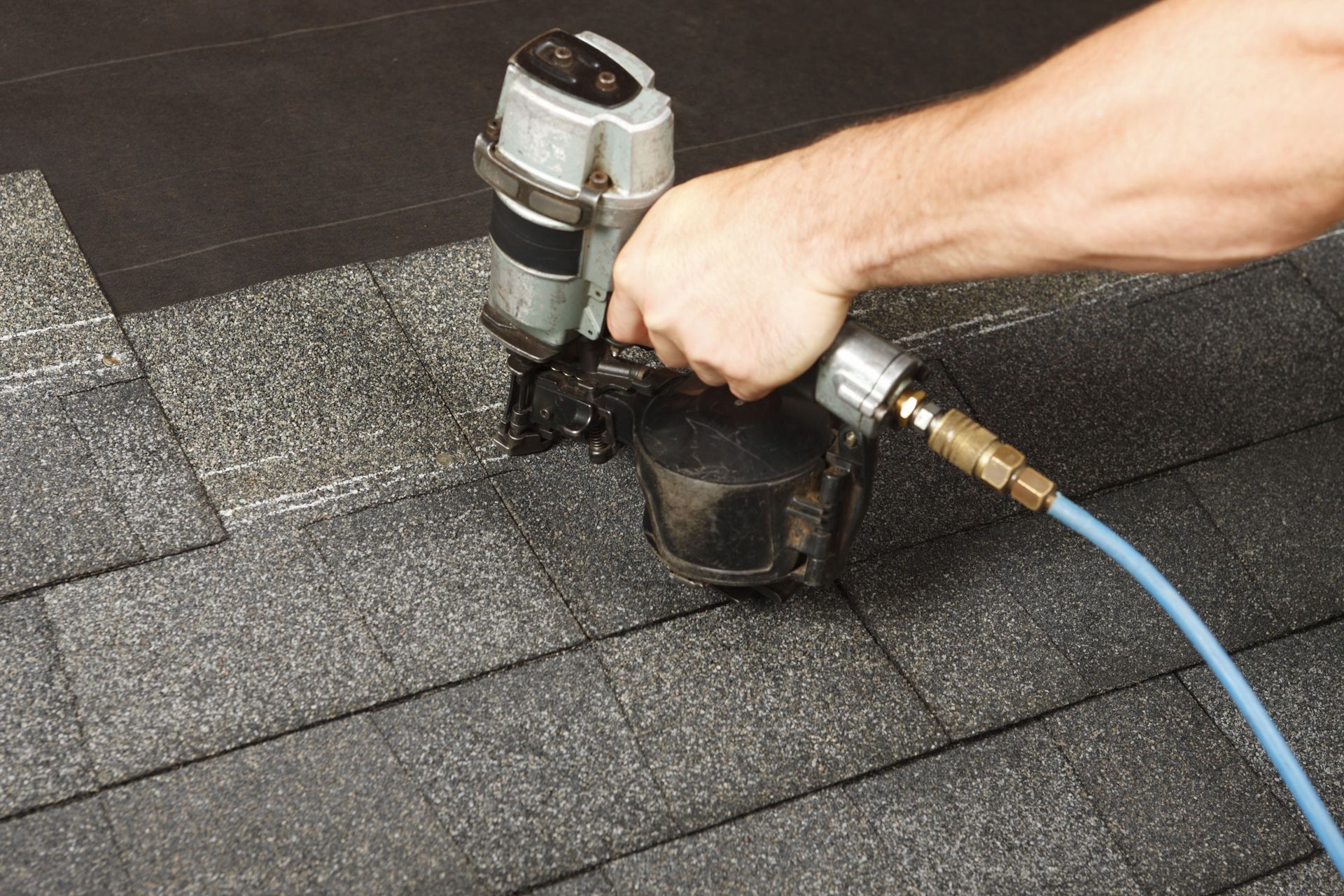
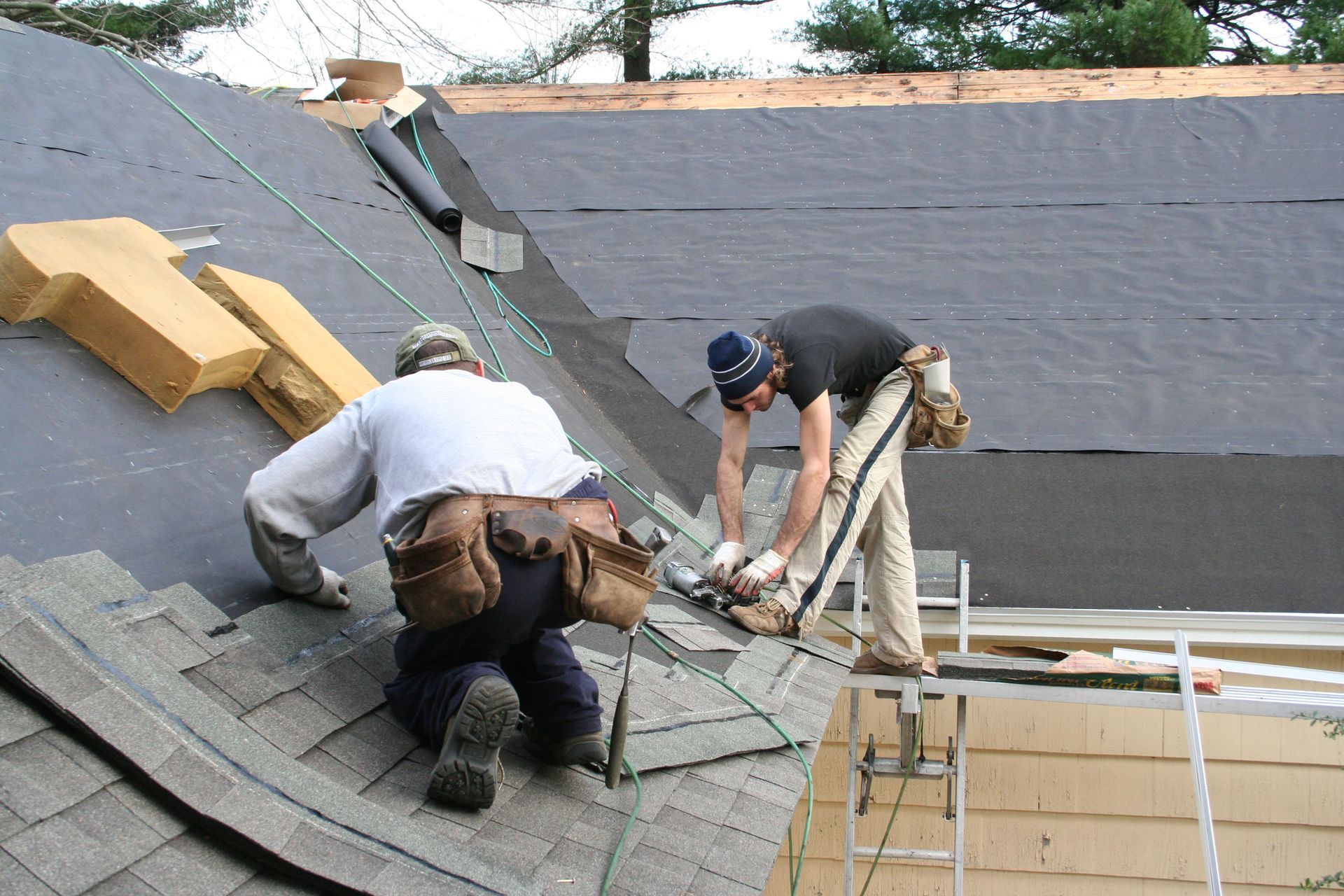
Roof replacement creates noise, vibration, debris, and limited property access that affect households and require preparation, including protecting valuables, arranging alternative parking, and warning neighbors about upcoming work. Contractors should provide realistic timelines, though weather and unexpected issues may cause delays requiring flexibility and patience throughout projects. Debris cleanup, dumpster placement, and material storage affect property use during installations, and discussing logistics beforehand prevents surprises about how work will impact daily routines. Understanding the disruption that roofing installation creates helps you prepare mentally and practically for the temporary inconveniences that comprehensive replacement projects inevitably cause, despite contractors' best efforts to minimize impact on occupied homes.
8. Addressing Ventilation and Insulation
Proper attic ventilation prevents heat and moisture buildup that shortens roof life, creates ice dams, and affects energy efficiency regardless of roofing material quality. Many older homes lack adequate ventilation, and roof replacement provides an opportunity to improve airflow through ridge vents, soffit vents, and other components that proper systems require. Insulation affects both energy efficiency and roof performance, and evaluating attic insulation during replacement helps identify improvements that reduce energy costs while protecting roofs from heat damage. Comprehensive roofing installation addresses these underlying systems rather than just installing new covering over inadequate ventilation that will shorten roof life and create performance problems despite quality materials and workmanship on visible components.
Carefully considering these essential factors before committing to roof replacement helps ensure informed decisions, creating installations that meet expectations, perform reliably, and deliver value throughout decades of service. The investment in thoughtful planning and comprehensive evaluation proves far less expensive than correcting mistakes or living with disappointing results from hasty decisions made without adequate consideration of critical factors. Working with reputable professionals who help you evaluate these considerations ensures your new roof serves your home well rather than creating regrets through poor material selection, inadequate planning, or contractor choices that seemed reasonable during sales presentations but prove problematic during installations and subsequent years. Whether you need roofing, siding, gutters, home additions, bathroom and kitchen remodeling, or painting, United Roofing & Home Solutions specializes in insurance claims, provides free inspections, and offers great warranties. For more information, contact us today!